
Nazir Fridge Ac Wala provides home appliance repair solutions across Karachi with experienced technicians and practical, long-lasting repairs. Whether your household appliance has stopped working or is losing performance, our team accurately diagnoses the problem and restores it using proven repair methods and quality workmanship. With over 14 years of hands-on experience and 1,000+ completed repair projects, we help homeowners and businesses keep their essential appliances operating safely and efficiently.


When your AC stops cooling, starts leaking water, makes unusual noises, or keeps shutting down, the problem is not always as simple as it looks. A quick fix may get the unit running for a short time, but without finding the actual fault, the same problem can return.
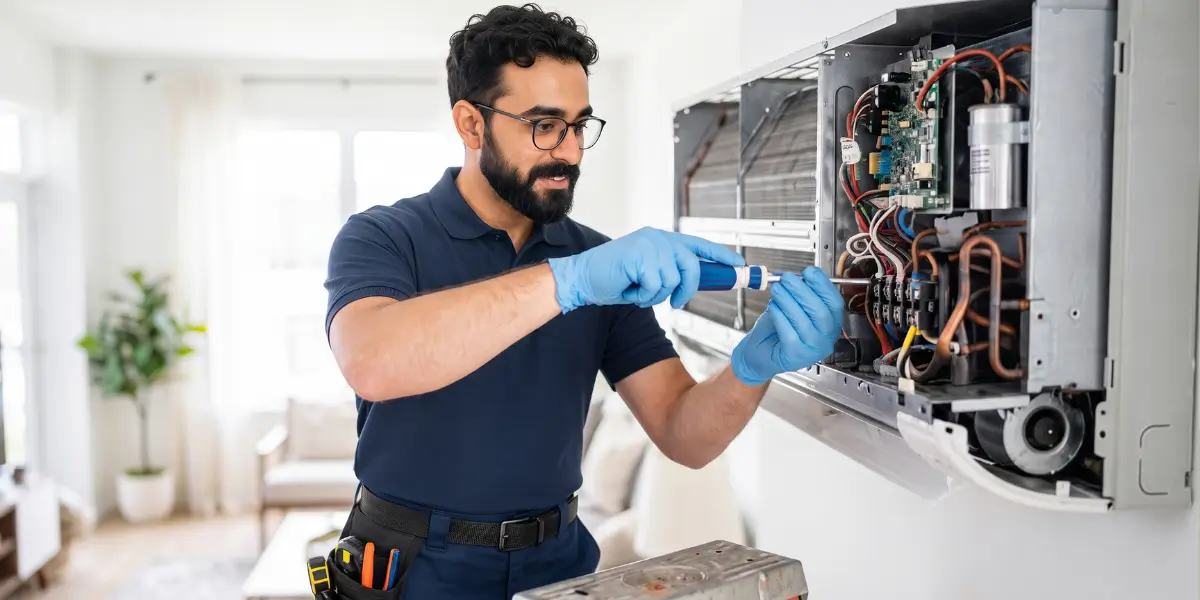
We provide professional AC repair in Karachi for homes, offices, shops, and other properties. Our technician checks the AC, identifies the cause of the problem, explains what needs to be repaired, and tests the unit after the work is completed.
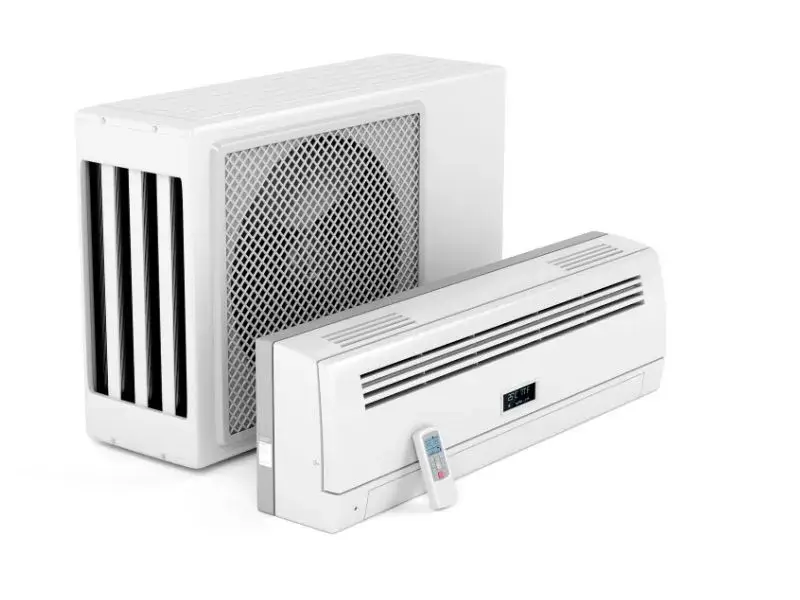
Whether you have a split AC, inverter AC, window AC, cassette AC, or floor-standing unit, we focus on proper diagnosis rather than unnecessary part replacement.
Air conditioners in Karachi often run for long hours, particularly during periods of extreme heat. Continuous use can put additional stress on compressors, electrical components, PCBs, fans, and other parts of the system.
This is why a change in cooling, unusual noise, water leakage, repeated tripping, or sudden shutdown should not always be treated as a minor issue.
The sooner the actual fault is identified, the easier it can be to decide whether the AC needs a simple repair, component work, or more detailed attention.
An AC that is not cooling properly does not automatically mean it needs gas charging. Water coming from the indoor unit does not always mean the AC simply needs cleaning either.
Different faults can produce similar symptoms. Poor cooling may be connected to airflow, refrigerant leakage, fan performance, electrical components, thermostat controls, compressor operation, or another issue.
That is why we inspect the relevant parts of the system before recommending a repair.
The right repair depends on what is causing the loss of cooling. Instead of assuming that low refrigerant is the problem, the AC should first be checked for airflow, electrical, mechanical, refrigerant, and other possible faults.
Once the actual cause is identified, the repair can be focused on that particular problem.
Gas charging may be required when the refrigerant level is low, but low refrigerant can also indicate a leak.
If there is a refrigerant leak, simply adding gas may improve cooling temporarily without solving the underlying problem. The system should therefore be checked for signs of leakage before treating gas charging as the complete solution.
Indoor AC water leakage can be caused by blocked drainage, a damaged drain pipe, improper installation, coil-related issues, or problems affecting condensation drainage.
Cleaning the visible water does not solve the problem if the actual cause of the leakage remains.
Repeated electrical tripping can be related to wiring, capacitors, electrical components, compressor-related problems, or other faults.
An AC that repeatedly trips should not simply be restarted again and again. The cause should be inspected before normal operation continues.
We deal with a range of AC problems affecting cooling, electrical operation, drainage, airflow, and other parts of the system.
Poor cooling may be caused by restricted airflow, refrigerant leakage, fan problems, thermostat issues, compressor performance, or another fault.
We check the system to determine why the AC is not producing the expected cooling.
Water dripping from an indoor AC may point toward a blocked drain, damaged drain pipe, installation issue, or another drainage-related fault.
We identify the source of the leakage rather than simply cleaning the visible water.
If refrigerant is leaking, charging the gas alone may only provide temporary improvement.
We check for signs of leakage and identify the affected area before recommending refrigerant-related work.
Problems with starting, overheating, unusual sounds, or poor cooling can sometimes be connected to compressor performance.
We inspect the compressor and related electrical components before deciding whether repair or further attention is required.
Modern AC systems depend on PCBs, sensors, wiring, capacitors, relays, and other electrical components.
Faults in these areas can cause the AC to stop working, repeatedly trip, fail to respond, or operate incorrectly. We diagnose the electrical fault before recommending component repair or replacement.
We handle common split AC problems including poor cooling, water leakage, unusual sounds, fan issues, drainage problems, electrical faults, and compressor-related issues.
Inverter ACs use more complex electronic and control systems. We diagnose issues related to cooling performance, PCB components, sensors, electrical supply, compressor operation, and other system faults before recommending a repair.
Window AC problems can include weak cooling, unusual noise, water leakage, fan problems, thermostat issues, and compressor faults. We inspect the unit to determine the reason behind the problem.
Commercial and larger-capacity AC units can have problems involving several connected components. We diagnose the reported fault and check the relevant parts before carrying out repairs.
The repair visit starts with understanding the reported problem rather than immediately replacing a component.
The technician checks the AC and the components related to the reported symptoms.
The unit is checked to determine what is causing the problem. The diagnosis is based on the AC’s condition, symptoms, and performance rather than assumptions.
We look beyond the visible symptom to identify the underlying fault. For example, poor cooling may not necessarily be caused by low refrigerant, and water leakage may not simply require cleaning.
Once the fault is identified, the required repair is explained before the work proceeds. If a component needs replacement, it is recommended only when the existing part cannot reasonably be repaired.
The AC is operated after the repair to check its performance and make sure the reported issue has been addressed.
After testing, the technician explains the completed work and hands the AC back to the customer.
Depending on the reported problem, the technician may check:
Power supply and electrical connections
Indoor and outdoor unit operation
Airflow and fan performance
Drainage and water leakage
Refrigerant-related issues
Compressor operation
Capacitor and electrical components
PCB and control systems
Sensors and thermostatic controls
Visible signs of damage or abnormal operation
The exact checks depend on the symptoms and type of AC.
Different AC faults can produce similar symptoms. An AC that is not cooling may have a refrigerant issue, airflow restriction, electrical fault, compressor problem, or another cause.
That is why we do not treat every problem by immediately replacing a component.
The technician considers when the problem occurs, how the AC behaves, whether the indoor and outdoor units are operating normally, and which components are connected to the reported symptom.
This keeps the repair focused on the actual fault and helps avoid unnecessary part replacement.
Low refrigerant can affect AC cooling, but refrigerant does not normally disappear without a reason.
If an AC has a refrigerant leak and the system is simply charged again, the cooling may improve temporarily while the underlying problem remains.
For this reason, when a refrigerant-related problem is suspected, the system should be checked for signs of leakage before deciding that gas charging alone is the solution.
The repair cost depends on the actual fault, the work required, and whether any component needs to be repaired or replaced.
We do not recommend a major repair simply because an AC is showing a common symptom. The reported problem is inspected first, and the required work is explained before proceeding.
Our inspection and repair approach is focused on making the customer aware of what is wrong with the AC and what needs to be done to correct it.
Not every AC problem means the unit needs to be replaced.
A repair may make sense when the AC is otherwise in reasonable condition and the fault can be properly corrected. Replacement may become worth considering when the unit has major damage, repeated expensive failures, poor overall condition, or repair costs that no longer make practical sense.
The condition of the AC should be considered before deciding between repair and replacement.
Poor cooling does not always mean low refrigerant. Other faults can produce similar symptoms.
Replacing a compressor, PCB, capacitor, or another component without confirming the fault can increase the repair cost unnecessarily.
Continued water leakage can indicate a drainage or AC-related problem that needs attention.
Repeated electrical tripping should not simply be ignored. The cause should be checked before continuing normal operation.
A quick solution may restore operation for a short period, but it does not necessarily resolve the underlying fault.
If your AC suddenly stops cooling, starts leaking, repeatedly trips, or develops an unusual smell or sound:
Turn the AC off if the problem involves electrical tripping, burning smell, or another obvious safety concern.
Note what changed and when the problem started.
Avoid repeatedly restarting the unit if the same fault keeps occurring.
Do not assume that every cooling problem requires gas charging.
Arrange an inspection so the actual fault can be identified.
Whether your AC is not cooling, leaking water, making unusual noise, repeatedly tripping, or refusing to start, the first step is to identify what is actually wrong.
Arrange a doorstep AC repair in Karachi visit so the AC can be inspected, the fault can be explained, and the required repair can be carried out and tested properly.
Our technicians can provide you with the best custom made solutions
on the market, no matter whether you’re a house, small business or large enterprise.